1
Route role
VELIO names the Base, Eye, Lip, or Finish role before any product appears.
VELIO product directions start with a product family you can recognize instantly. The beauty logic comes next, so shopping feels clear instead of noisy.
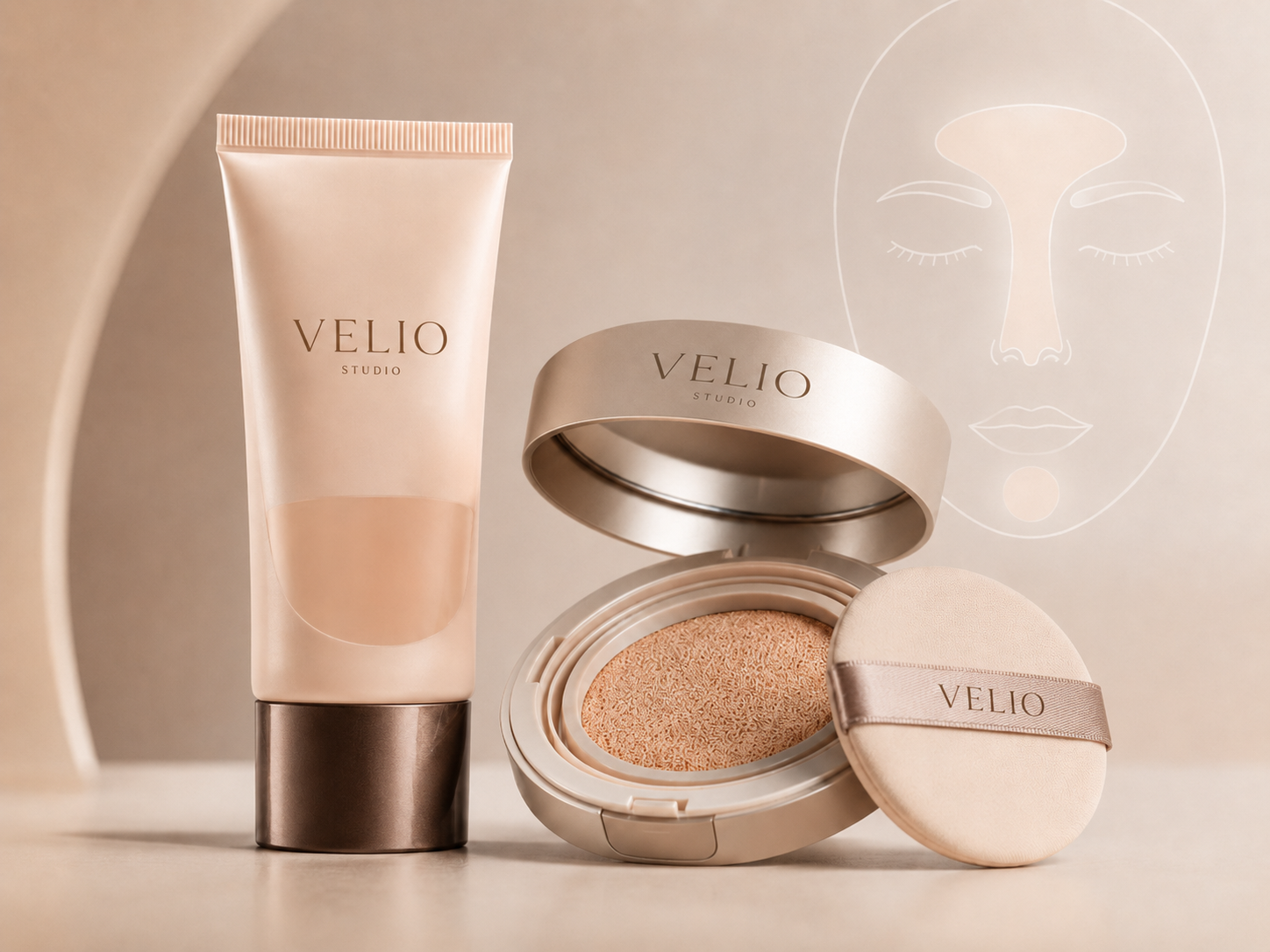
Tube, cushion, or light base before the center face gets heavy.
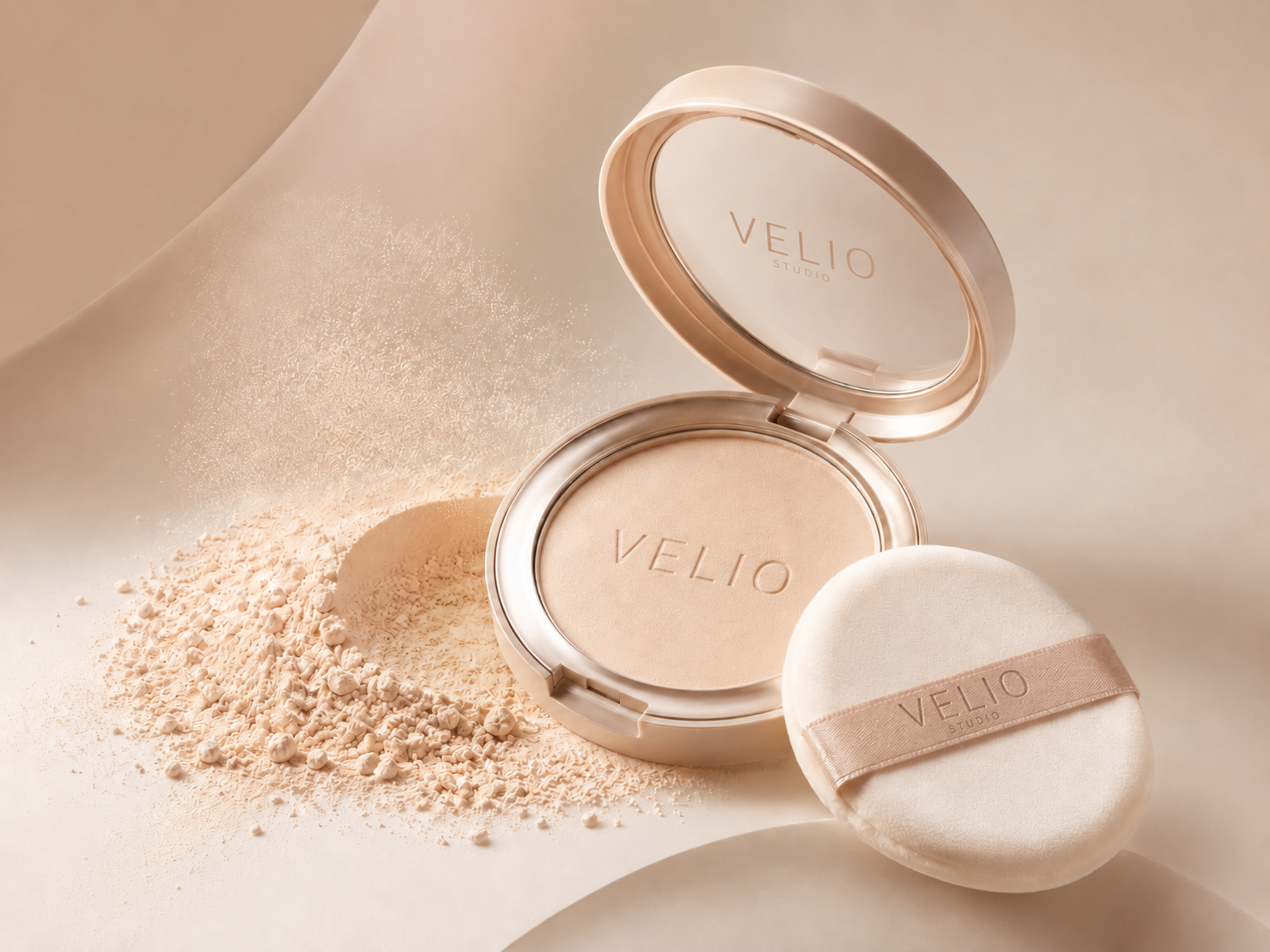
Compact, powder, and puff for soft control, not a heavy layer.
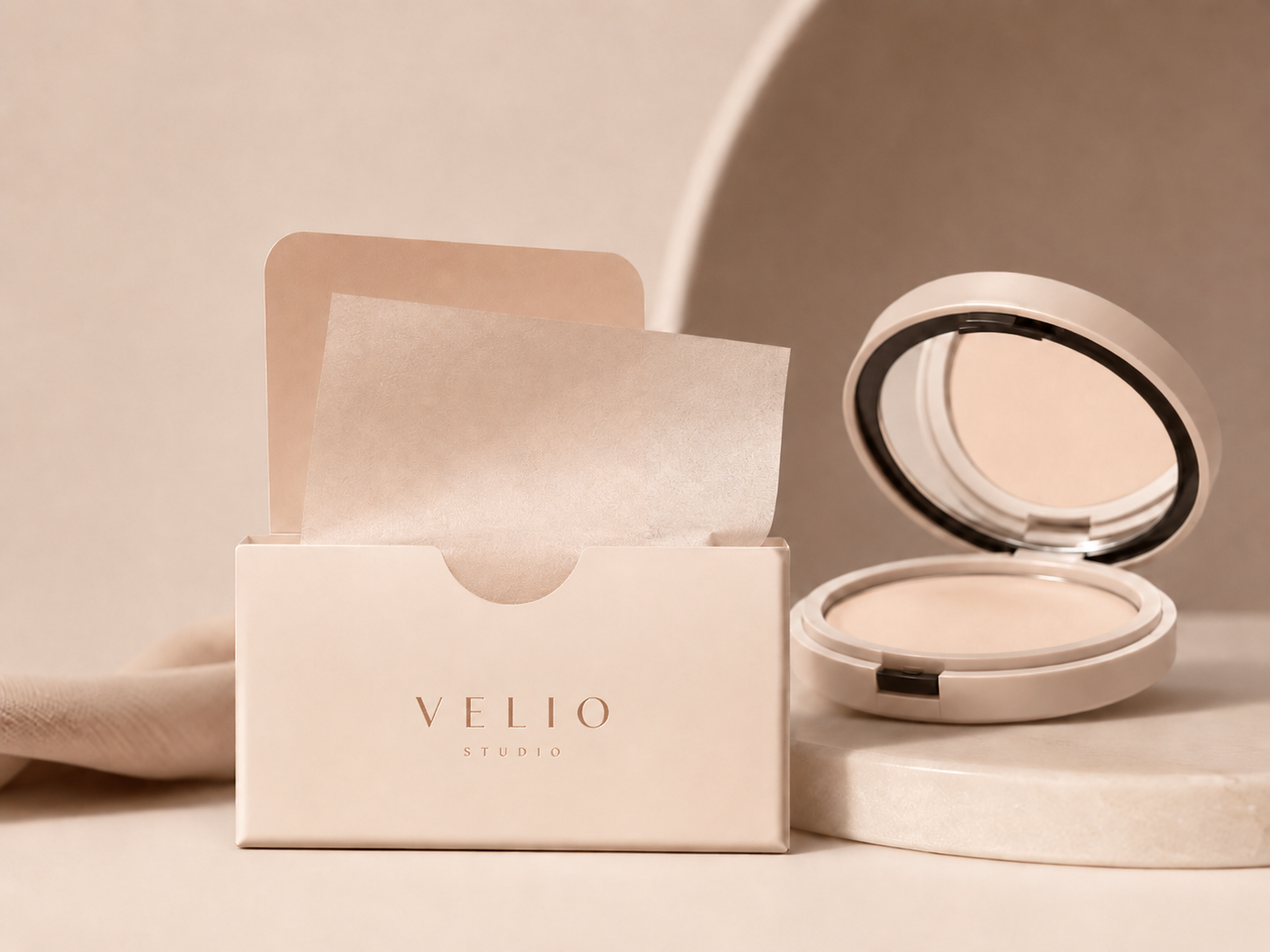
Blotting sheet first, then product only if the surface still needs it.
Product Match is not a beauty catalog. It begins with your Route, checks whether you already own the role, and shows compatible options only when the step is genuinely missing.
VELIO names the Base, Eye, Lip, or Finish role before any product appears.
Use what you already own when it fits. Pro checks My Makeup Bag first.
Only a genuinely missing role can open up to two compatible options.
The shelf uses clear product-family photography so the customer does not have to decode abstract icons. The recommendation stays VELIO: direction first, compact pick second.
Tube, compact, blotting paper, wand, cream color, brush.
Lighten, set, reset, correct, add life, or refine.
Compact picks reduce buying fatigue.
As an Amazon Associate I earn from qualifying purchases.
VELIO recommends product directions first, products second.
A lighter center so the face reads fresh longer.
Why: Keeps the forehead, nose, chin, and mouth area from becoming the first heavy zone.
Use: Apply thinner through the center. Build only where the face still needs balance.
A controlled finish without turning the base flat.
Why: Controls shine in high-movement areas without baking the whole face into visible texture.
Use: Press lightly where oil appears first. Do not sweep powder across the whole face.
Remove surface oil before adding another layer.
Why: Lets you reset the surface lightly so the next product does not sit on top of oil and movement.
Use: Press, lift, then evaluate. Add product only where the changed surface still needs correction.
These picks should not compete with the first three. They are added only when the face or makeup plan calls for them.
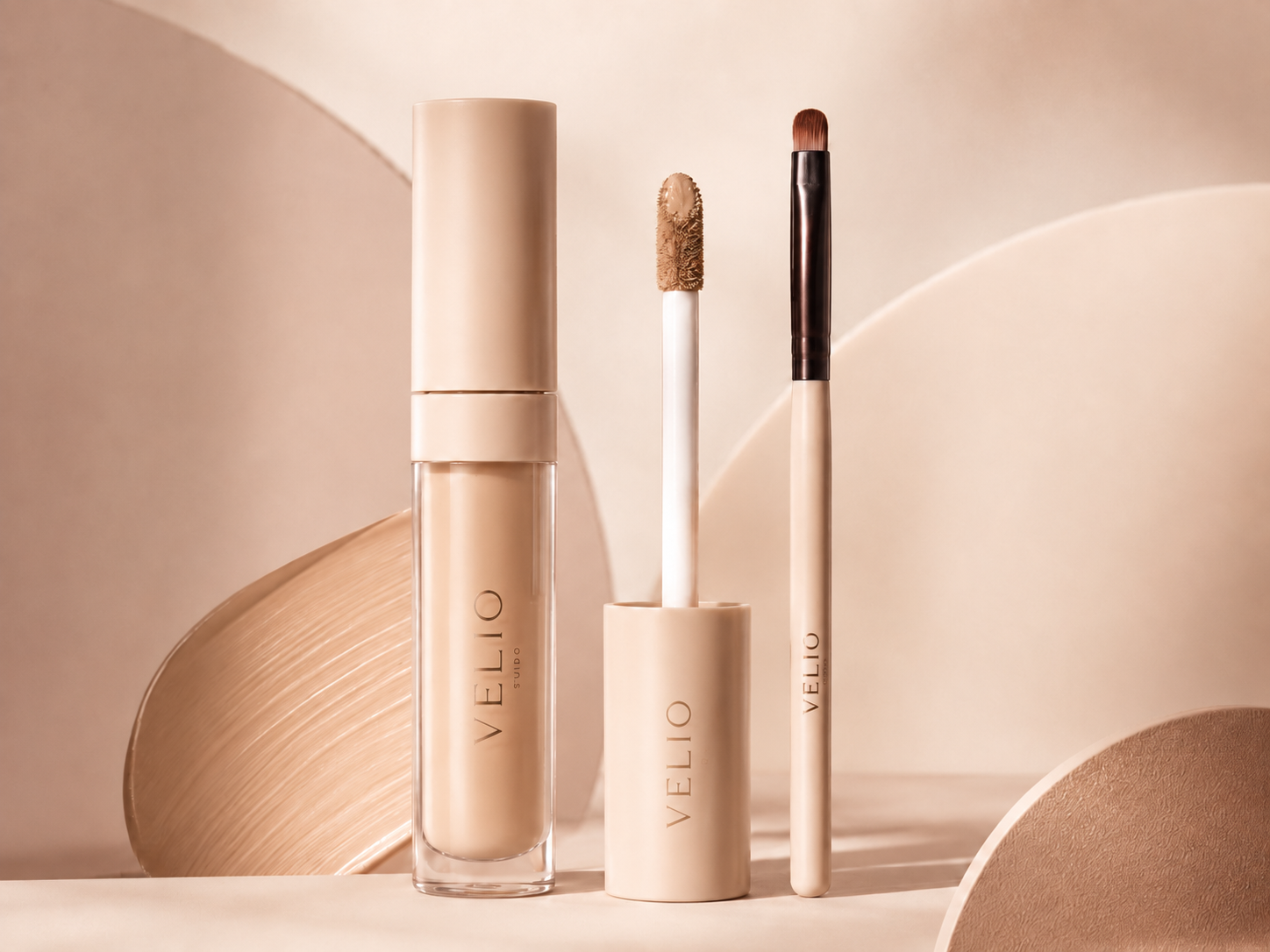
Small correction instead of full-face re-covering.
Why: Corrects the early-change areas without making the entire face heavier.
Use: Place only on the changed zone. Let the rest of the base stay light.
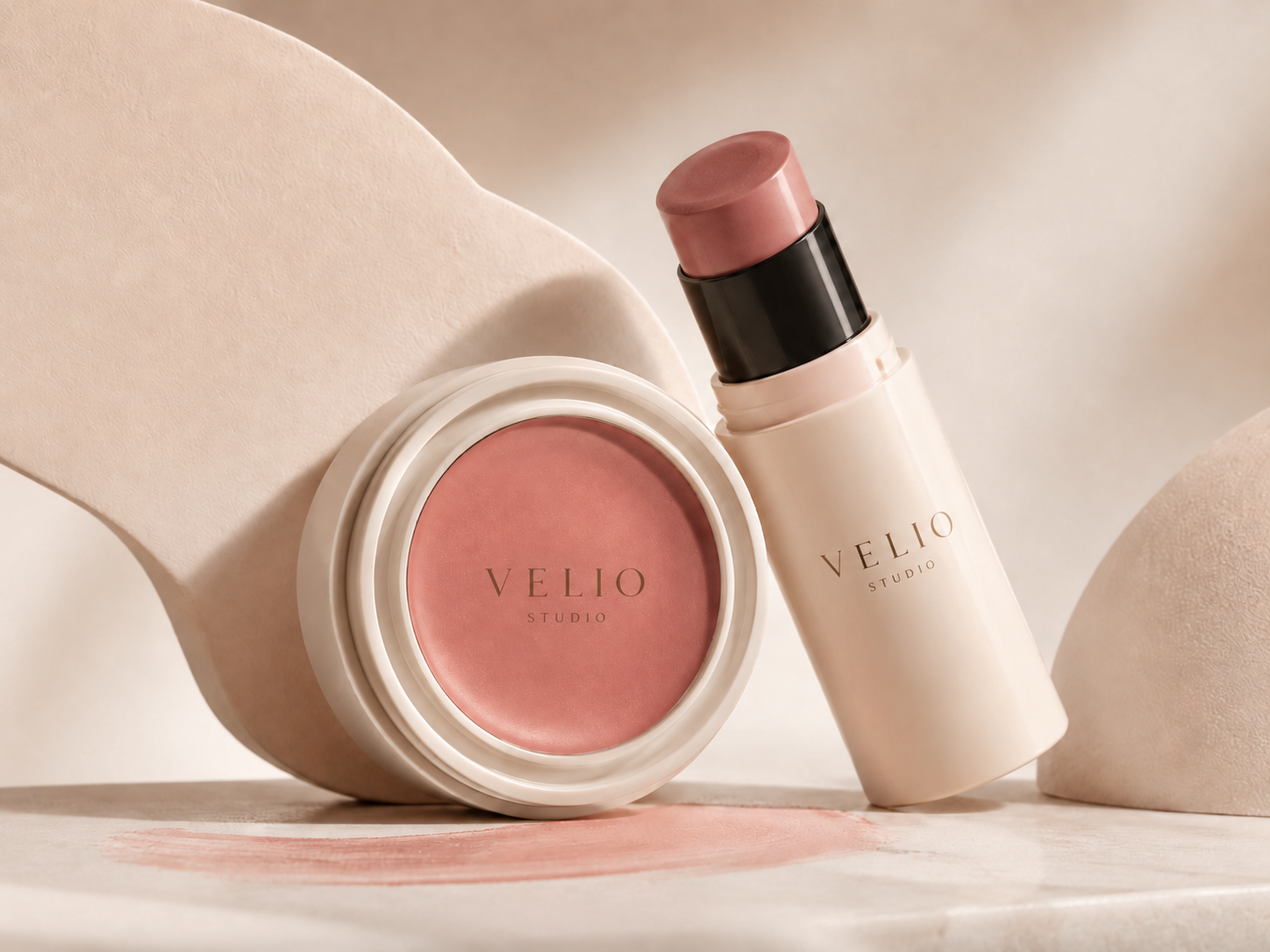
One soft color point that keeps the face alive.
Why: Adds life without stacking too many competing color signals on top of a worn base.
Use: Choose one color anchor. Keep the rest of the face quieter.
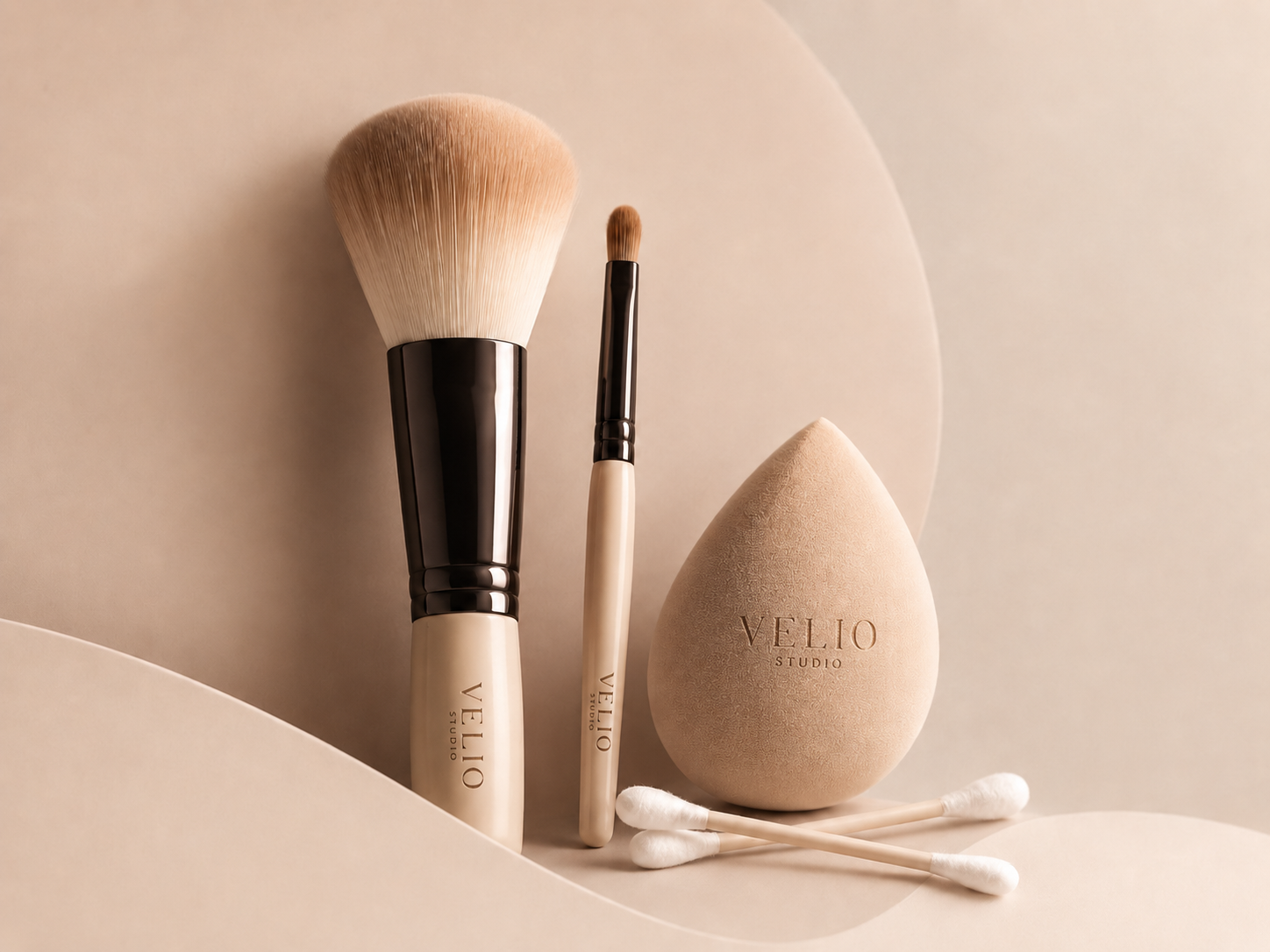
Small tools for small corrections.
Why: Makes corrections more precise so the full face does not get disturbed.
Use: Use the smallest tool that can solve the problem. Leave the surrounding face alone.
The strongest product path is a style lesson first. When a reader understands why the makeup went wrong, a product family feels like a useful next step — not a random ad.